An old friend who is getting married this year had her bachelorette party in Philadelphia. I was planning to drive there and back from Pittsburgh, but a wrench was thrown in that plan when my great aunt died and the funeral was the day before (thankfully not the same day).
I flew down to Chattanooga from Pittsburgh after work, where Zack was supposed to pick me up, having arrived earlier from Amherst. There was a bit of a glitch, though. The runway was under construction at night, and I guess they forgot they had any more flights arriving because they turned off the runway lights and the plane had to turn around and go back to Atlanta. At this point I was kicking myself, since an earlier plan had involved me renting a car and driving from Atlanta instead of flying to Chattanooga. They did manage to reach someone at the Chattanooga airport eventually, though, and got us back to Chattanooga where all of our rides were very confused. The kicker is that the same thing had happened the night before.
Funerals are strange things. It was weird to be in La Fayette, and even in my great aunt’s own house, and not see her, but in my mind it’s like she’s just in the other room. Every now and then I’d find myself thinking I should tell her something (I bet she’d think the flight mishap was pretty funny), and remembering I can’t. And it’s strange to think that I’ll probably be spending a lot less time there. She’s in the cemetery next to my grandma and my uncle now, but really what makes her herself is nowhere I can ever find. I brought home the rummikub set and a quilt made by my great-grandmother as a memento, but it’s a pale substitute for the person, and I know which I’d rather have.
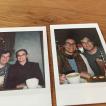
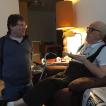
I did get to look through some of the old photo albums, and that was a lot of fun. I took photos of some of my favorites, but I’d love it if we got the whole thing digitized properly.
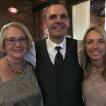
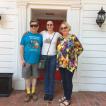
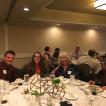
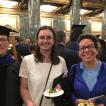
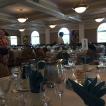
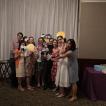
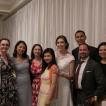
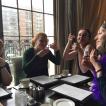
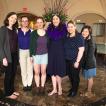
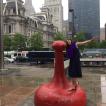
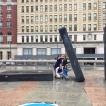
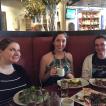
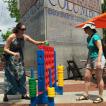
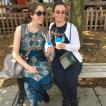
The flight to Philadelphia was a lot less eventful. I rented a car from the Philly airport for my return home, drove to M’s house where we’d be spending the night, then together we went to join the party! We are a super wild and crazy bunch so the festivities included a fancy high tea (I neglected to get a picture of the food, but rest assured it was pretty), a walk around Philadelphia, an escape room, board games, then brunch and more walking around the next morning.
Then I drove home from Philadelphia back to Pittsburgh, randomly encountered a coworker at one of the rest stops on the turnpike, dropped the rental car at the airport and picked up my car to go home.
-
-

-
-
-

-
-
-
-
-

-

-
-

-
-